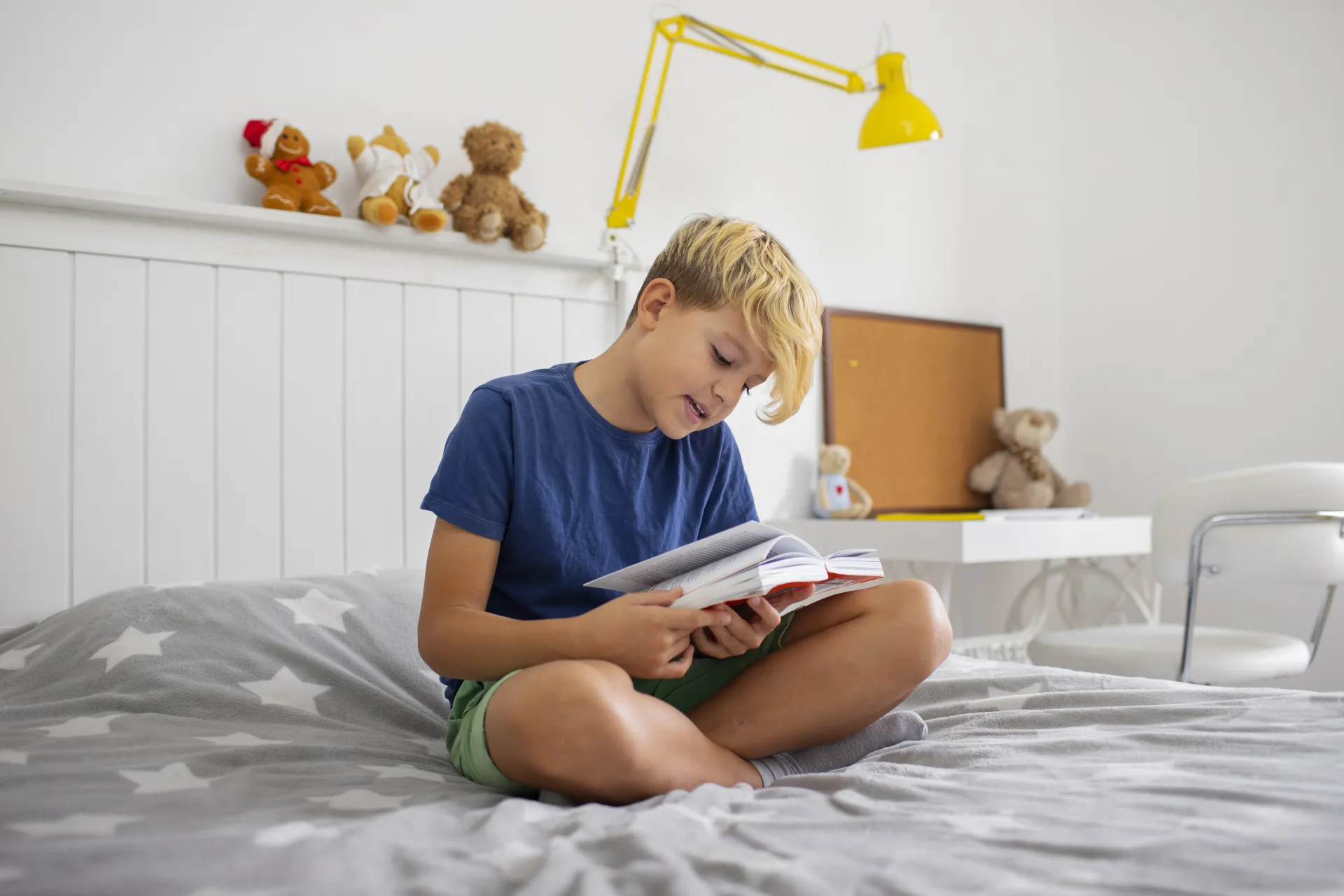
Parents of young children know how quickly indoor child activities can go from “something to do” to a full-on tug-of-war. The real challenge isn’t filling time, it’s balancing education and entertainment while managing big feelings, sibling dynamics, and the constant pull of screens. When family indoor playtime feels chaotic, it’s easy for parents to carry guilt that kids aren’t learning enough or staying engaged long enough. With a clearer way to think about child engagement challenges, indoor play can feel calmer and more purposeful.
Understanding Educational Play at Home
Educational play is any activity that feels fun to a child while quietly building a skill. The best indoor ideas blend curiosity, movement, and creativity so kids learn without feeling like they are being taught.
This matters because brains grow through practice, and play is how kids naturally practice. When an activity has a simple learning “hook” like counting, planning, or storytelling, children stay with it longer and bounce back faster when frustrated.
Think of a living-room scavenger hunt: it looks like a game, but it builds sorting, memory, and listening skills. Or a blanket fort that becomes a chance to measure, solve small problems, and cooperate.
Pick One: 12 Indoor Activities That Teach While They Entertain
When indoor time stretches long, it helps to choose activities that feel like play but still build real skills, attention, language, problem-solving, and independence. Pick one that matches your child’s energy level and your space, then keep the goal simple: explore, make, notice, share.
Kitchen Science Station (10-minute experiments): Set up one tray with baking soda, vinegar, food coloring, cups, and a spoon. Challenge kids to predict what will happen, then test one variable at a time (more vinegar, less baking soda, different containers) so they practice observation and basic scientific reasoning. Snap a quick “hypothesis” note on paper before you start, and a “what we noticed” note after.
2. Build-and-Test Engineering (paper + tape only): Give kids a single mission, “build the tallest tower” or “make a bridge that holds 10 coins”, using limited materials (index cards, tape, a ruler). The constraint is the learning: kids plan, prototype, fail safely, and revise. End by asking what they’d change if they had one more piece of tape.
3. Arts and Crafts with a Skill Focus (not just a product): Choose one technique for the day, scissor practice, weaving with paper strips, stamping patterns, or mixing tints/shades with paint. Put out only the supplies needed for that technique to reduce overwhelm and encourage follow-through. Display the work with a short “artist statement” your child dictates to you.
4. Indoor Gardening Activities (micro-greens or regrow scraps): Start with fast wins: sprout lentils/beans in a jar with a damp paper towel, or regrow green onions in a small glass of water on a windowsill. Kids can measure growth every two days, draw what they see, and take responsibility for one simple job (refill water, rotate toward light). It’s a gentle way to build routines and science vocabulary without needing a yard.
5. Family Book Club (15 minutes, low-prep): Pick a short picture book or one chapter and read together. Then do “three prompts”: one new word, one favorite moment, and one question you’re still wondering about, great for comprehension without turning it into homework. If you have multiple ages, let younger kids draw a scene while older kids write a two-sentence summary.
6. Mindfulness Exercises for Children (micro-practices that stick): Try a 60-second “five senses check-in” (name one thing you see, hear, feel, smell, and taste) before homework or bedtime to practice attention and emotional regulation. Some families like guided audio; a helpful benchmark for what kids tend to tolerate is that The Mindfulness App has a 4.7-star rating from over 2,200 reviews, suggesting short, structured prompts often work well. Keep it optional, offer it as a reset, not a requirement.
7. Creative Photography Skills (storytelling, not scrolling): Hand your child a phone/camera on “airplane mode” and give a themed scavenger list: “something tiny,” “a reflection,” “a triangle,” “a texture,” “a happy moment.” After 10–15 minutes, review the photos together and ask them to pick three to sequence into a beginning-middle-end story. This builds composition, vocabulary, and thoughtful tech use, without the rabbit hole of apps.
A simple rule of thumb: if an activity invites kids to predict, create, reflect, or explain, it’s pulling double duty as entertainment and learning. Once you’ve found a few favorites, it becomes much easier to adjust for age differences, set clear screen expectations, and decide when new creative tools are worth trying.
Common Questions Parents Ask About Indoor Play
Q: What are some easy indoor activities that can keep kids engaged and entertained on a rainy day? A: Aim for quick-start options: a scavenger hunt (colors, shapes, textures), a kitchen “mix and observe” experiment with safe ingredients, or a paper-and-tape building challenge. Keep choices age-appropriate by giving toddlers a simple sort or “fill and pour” task while older kids get a goal like “build it taller.” When you can, start with a 2-minute setup and let your child take the lead.
Q: How can I create a structured routine with indoor activities to help my child avoid feeling stuck or bored? A: Try a predictable three-part rhythm: move (5 minutes), make (15 minutes), then share (5
minutes). Post a short menu of two options per block so your child feels in control without endless negotiating. Set a “screen purpose” like “take 10 photos for a story” so tech stays intentional.
Q: What fun, hands-on projects can parents do with their children to encourage creativity and curiosity? A: Choose projects with visible progress, like mini bookmaking, cardboard sculpture, or a simple “invent a board game” challenge. Start with an offline art warm-up such as 60 seconds of scribbles, shapes, or pattern fills to reduce perfection pressure. Then add one new hobby element at a time, like shading, lettering, or basic animation flipbooks.
Q: How can relaxation techniques be incorporated into indoor play to help kids manage stress and feel calm? A: Build in tiny resets: a five-breath “smell the soup, cool the soup” breath, a cozy corner with pillows, or a 1-minute stretch between activities. Calm can also be part of play, like slow watercolor, puzzles with soft music, or “quiet detective” observation games. If screens are involved, it helps to know privacy and safety concerns are a common worry for parents, so keeping devices in shared spaces can feel more reassuring.
Q: What if I want to organize these indoor activities but need help finding the right tools or supplies efficiently? A: Make one small “activity bin” per category: build (tape, cards), create (paper, markers), and calm (books, sensory item). Keep a short refill list on your phone and choose multipurpose supplies that work across ages. For extra creativity, you can also explore an anime-style digital art maker or an advanced AI anime tool after an offline warm-up, with a clear time limit and purpose.
Habits That Make Indoor Learning Stick
Indoor activities feel easier when they become predictable family habits, not one more decision to make. A few simple rituals build confidence over time and help kids practice independence without you planning a whole “perfect” day.
Menu-and-Match Choice Board
● What it is: Post 6 options, then kids pick one from each category.
● How often: Weekly refresh, daily use.
● Why it helps: Choice reduces friction and boosts follow-through.
Two-Minute Setup Rule
● What it is: Only start activities you can set up in two minutes.
● How often: Daily.
● Why it helps: You begin more often and abandon less.
Skill-of-the-Week Spotlight
● What it is: Practice one skill daily, inspired by habit formation in consumption.
● How often: Weekly theme.
● Why it helps: Repetition grows confidence without feeling repetitive.
Show-and-Tell Wrap-Up
● What it is: End with a 60-second share: explain, demonstrate, or teach.
● How often: 3 to 5 times weekly.
● Why it helps: Kids notice progress and remember what they learned.
Reset Before You Switch
● What it is: Use water, a stretch, or five slow breaths between blocks.
● How often: Every transition.
● Why it helps: Calmer bodies make learning easier.
Start Small to Build Indoor Play Habits That Last
When kids are cooped up and adults are stretched thin, indoor time can slip into screens and short tempers instead of learning. The steady way forward is the mindset of simple, repeatable routines paired with diverse indoor activities that meet kids where they are and keep motivation warm. With that approach, play starts pulling double duty, supporting child development milestones while strengthening family bonding through play and easing daily parenting pressure. Small, consistent play beats big, occasional projects. Choose one activity, claim one time slot this week, and make one small tweak so it feels easy to repeat. That’s how practical parenting strategies turn into a calmer home, growing skills, and real connection over time.
Sources:
Kids can measure growth - https://www.almanac.com/gardening-kids-what-plant-and-fun-activities
The Mindfulness App - https://www.themindfulnessapp.com/articles/morning-meditation-checklist-8-essential-steps
privacy and safety concerns -https://www.kidsmentalhealthfoundation.org/about/media-center/press-releases/parental-survey-shows-privacy-safety-concerns-with-screen-time
advanced AI anime tool - https://www.adobe.com/products/firefly/features/ai-anime-generator.html
habit formation in consumption - https://ideas.repec.org/a/eee/eecrev/v95y2017icp142-167.html
Use water - https://www.medicalnewstoday.com/articles/290814\