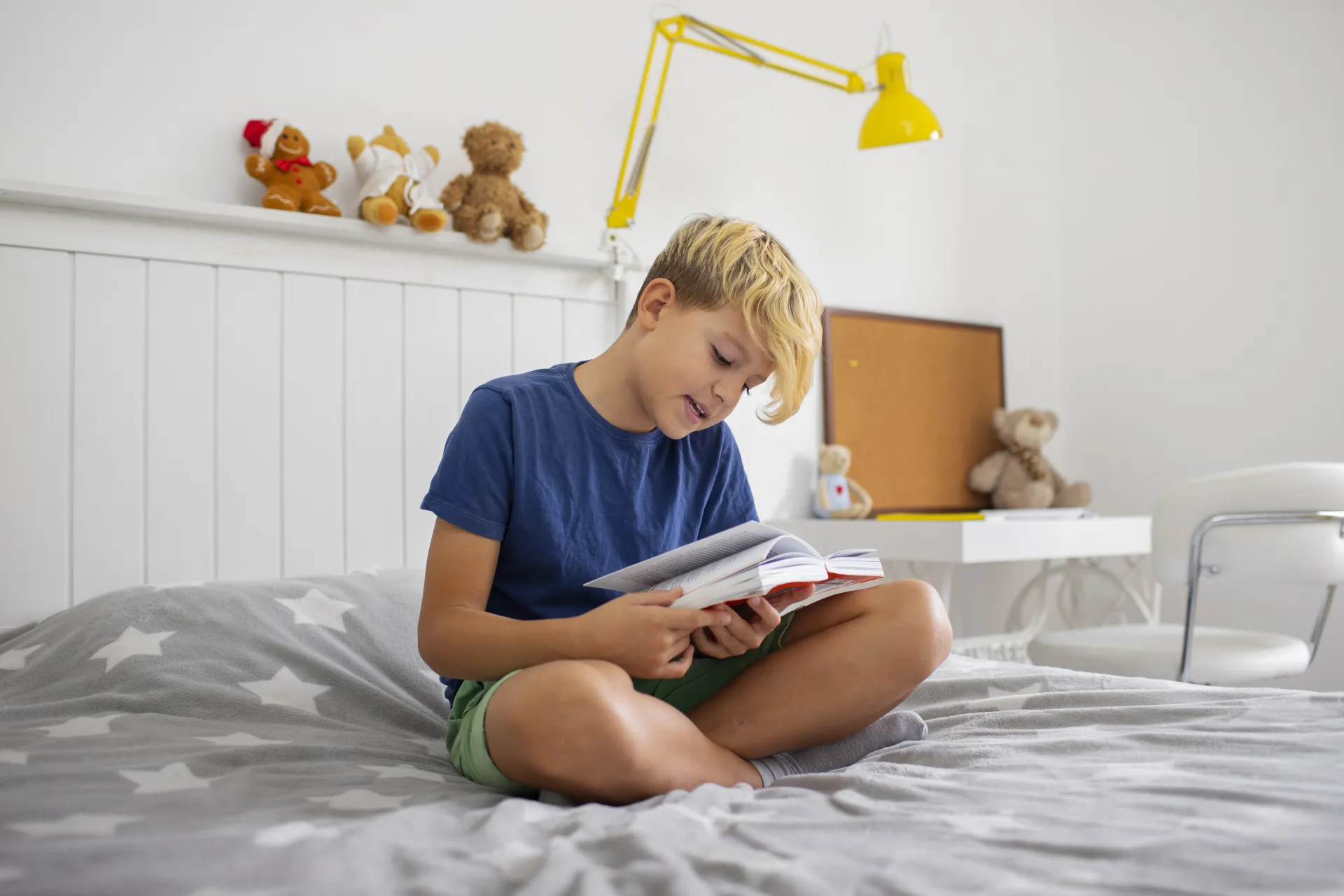
Parents play a defining role in shaping how children see learning. From the first “why?” to independent problem-solving, kids take cues from how adults respond to their curiosity. When parents nurture questions instead of rushing answers, learning becomes something children choose, not something they endure.
Key Points
- Respond to questions with interest, even when you do not have the answer
- Create space for exploration without constant correction
- Focus on effort and process, not just outcomes
- Let children make age-appropriate choices about what and how they learn
Why Curiosity Is the Engine of Learning
Curiosity is how children make sense of the world. When kids are free to explore ideas, test theories, and even be wrong, they build confidence in their own thinking. Over time, this confidence becomes internal motivation. Children who feel trusted in their learning process are more likely to stay engaged when tasks become challenging.
Turning Everyday Moments Into Learning Opportunities
Learning does not need to feel like a lesson. Conversations at the dinner table, questions during errands, or noticing patterns on a walk all reinforce that curiosity belongs everywhere. Parents who model interest in everyday topics send a quiet message: learning is part of life, not a separate chore.
Using Art and Technology to Unlock Expression
Creative tools can give children new ways to explore ideas that are hard to put into words. Digital art platforms allow kids to experiment freely, revise their work, and see ideas come to life without fear of wasting materials. Using AI painting as a creative tool can open visual doors for children who think in images rather than sentences. An AI painting generator lets users type simple prompts and instantly see artwork emerge in styles that resemble watercolor or oil painting, with options to adjust color, lighting, and mood. When creativity feels accessible, children often become more willing to explore, reflect, and learn across subjects.
Simple Ways to Encourage Independence at Home
Independence grows when children are trusted with responsibility. Giving kids room to plan small projects, manage their time, or solve minor problems builds self-direction. One helpful approach is to focus on guidance rather than control. Parents can offer structure while still allowing children to make decisions and learn from the results.
Here are a few practices that support this balance:
- Ask open-ended questions instead of giving immediate solutions
- Offer choices between two or three options
- Encourage children to explain their thinking
- Normalize mistakes as part of learning
Making Learning Time Work with Busy Schedules
Time pressure is real for many families, but consistency matters more than quantity. Being intentional about making time for learning helps reduce stress for both parents and children. A loose plan creates predictability, so learning does not feel rushed or forced. Even short, focused moments can have a strong impact when children feel fully seen. Bedtime, in particular, offers a calm space to read together, talk about ideas, and build positive associations with books and learning.
A Practical Home Routine That Supports Curiosity
Establishing simple habits helps children know what to expect. The goal is not rigidity, but rhythm.
To support curiosity throughout the week, try the following:
- Set aside a regular time for open exploration
- Keep learning materials visible and accessible
- Rotate activities based on your child’s interests
- Reflect together on what was discovered
How Support Styles Affect Motivation
Different approaches send different signals. The table below highlights how common parenting responses can influence a child’s learning mindset.
| Parenting Approach | Likely Child Response |
| Correcting quickly | Hesitation to ask questions |
| Encouraging exploration | Increased confidence and engagement |
| Rewarding only results | Fear of failure |
| Praising effort | Willingness to persist |
Practical Questions About Raising Motivated Learners
Parents often want reassurance that they are on the right track as they support curiosity at home.
How do I support curiosity without overwhelming my child?
Focus on following your child’s lead rather than introducing constant new activities. When children choose what interests them, they are less likely to feel pressure. A calm, supportive presence matters more than variety.
What if my child loses interest quickly?
Short attention spans are normal, especially in younger children. Allowing kids to move on teaches them to listen to their own curiosity cycles. Over time, sustained interest grows naturally.
Should I correct my child when they are wrong?
It depends on the moment. Asking guiding questions often helps children rethink ideas on their own. This approach strengthens reasoning without discouraging curiosity.
How can I encourage learning without rewards?
Shift praise toward effort, strategies, and persistence instead of outcomes. Children who value the process develop internal motivation. Rewards can sometimes distract from genuine interest.
What role does routine play in self-motivation?
Routines create safety and predictability. When children know when learning time happens, they can relax into it. This structure supports independence rather than limiting it.
Is it okay to step back as my child gets older?
Yes, and it is healthy. Gradually reducing involvement signals trust in your child’s abilities. Support becomes guidance instead of supervision.
Conclusion
Supporting curiosity is less about doing more and more about responding thoughtfully. When parents create space for questions, creativity, and reflection, children learn to trust their own motivation. Over time, this trust becomes independence. The result is a child who learns not because they have to, but because they want to.